
Mostbet Giris AZ — Bukmeker Azərbaycan
Azərbaycanda etibarlı bukmeker kontoru axtarışı çox vaxt lotareyaya çevrilir — bəzi platformalar ödənişləri gecikdirir, digərləri aşağı əmsallar təklif edir, üçüncüləri yerli ödəniş sistemlərini dəstəkləmir. Mostbet bu problemləri kompleks şəkildə həll edir: burada siz azərbaycan banklarının kartlarına ani ödənişlər, futbol matçlarına yüksək əmsallar və bütün əməliyyatlarda manata tam dəstək əldə edirsiniz.
Mostbet lisenziyası və hüquqi əsaslar
Qeyri-qanuni bukmekerların ilk problemlərdə yoxa çıxdığı halda, Mostbet az artıq 15 ildən çoxdur Küraso hökumətinin nəzarəti altında işləyir. №8048/JAZ2016-065 lisenziyası platforma oyunçuların vəsaitlərini ayrı hesablarda saxlamağa məcbur edir — sizin pullarınız şirkətin iflası halında belə qorunur.
Küraso yalnız sərt tələblərə cavab verən operatorlara lisenziya verir:
- Maliyyə şəffaflığı — oyunçu vəsaitlərinin hərəkəti haqqında müntəzəm audit və hesabat
- Texniki təhlükəsizlik — məlumatların məcburi şifrələnməsi və haker hücumlarından qorunma
- Alqoritm ədalətsizliyi — təsadüfi rəqəm generatorlarının müstəqil sertifikatlaşdırılması
- Mübahisələrin həlli — oyunçu şikayətlərinin lisenziya orqanı vasitəsilə məcburi baxılması
Mostbet AZ hesabına giriş üsulları
Həftədə üçüncü dəfə parolu unutmusunuz? Reklam bannerləri arasında daxil düyməsini axtarmaqdan yorulmusunuz? Mostbet az bu problemləri radikal həll etdi — burada hesab daxil maksimum 10 saniyə çəkir, email, telefon və ya hətta sosial şəbəkələrdən hansını istifadə etməyinizdən asılı olmayaraq. Heç bir kapça, «mən robot deyiləm» yoxlaması və sizinlə mərc arasında digər maneələr yoxdur. Sistem sizin məlumatlarınızı yadda saxlayır və formaları avtomatik doldurur, əgər siz yenə də parolu unutmusunuzsa — bərpa bir kliklə şəxsiyyəti uzun prosesi təsdiqlənməsi olmadan baş verir. Əlavə olaraq, siz hətta android və ya apple ios mobil tətbiqi vasitəsilə də hesab yarada bilərsiniz.
E-poçtla hesaba daxil olma
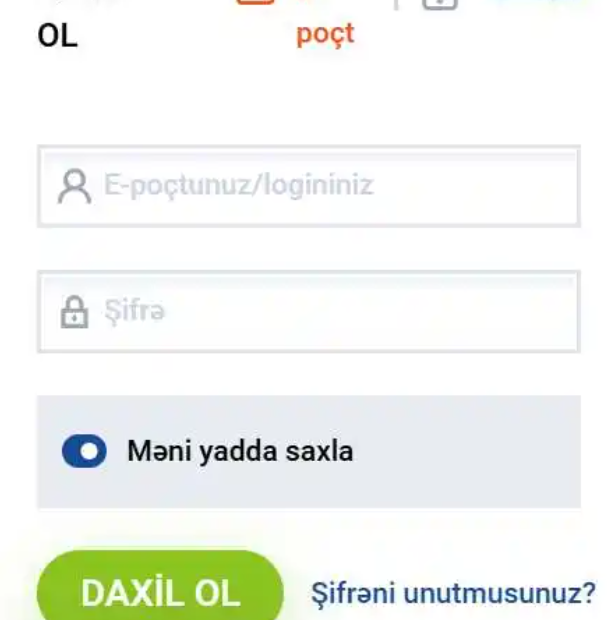
Email ən etibarlı daxil üsulu olaraq qalır, lakin yalnız qeydiyyat zamanı hansı ünvanı göstərdiyinizi hər dəfə xatırlamaq məcburiyyəti olmadıqda. Mostbet-az90-ın bütün məşhur domenləri qəbul edir və düzgün formatı avtomatik təklif edir:
- Təkrar daxil zamanı email ünvanının avtomatik doldurulması
- SMS kodları olmadan saytın əsas səhifəsində prosesi vasitəsilə ani parol bərpası
- 30 günədək etibarlı cihazlar sessiyasının saxlanması
- Gmail, Yahoo və ya Outlook vasitəsilə bir kliklə giriş
Telefon nömrəsi ilə hesabınıza Mostbet daxil olun
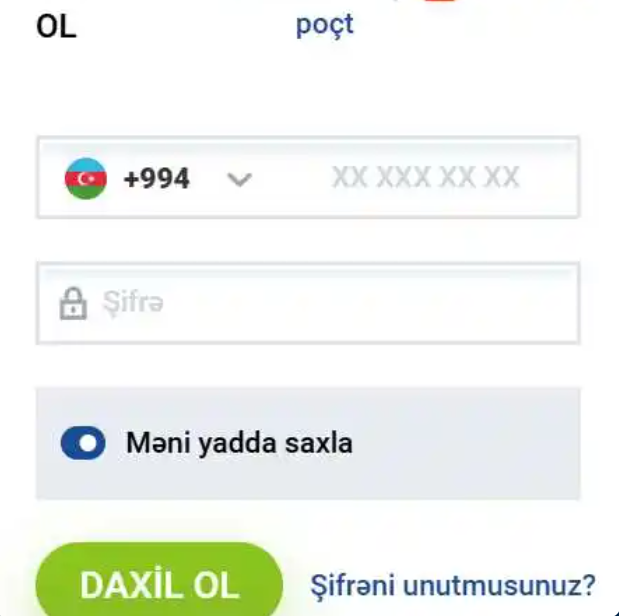
Telefon nömrəsini unutmaq email-dən çətindir, lakin onu hər dəfə ölkə kodu ilə daxil etmək bezdirir. Ona görə də sizin yerin avtomatik müəyyən edir və +994 əlavə edir:
- Mostbet Azərbaycan nömrəsinin avtomatik müəyyən edilməsi
- Parol daxil etmədən SMS kodu ilə giriş
- Uzun prosesi olmadan telefon kitabçası vasitəsilə nömrənin sürətli yığılması
- Bir hesaba bir neçə nömrə bağlama imkanı
Mostbet-də qeydiyyat — necə başlamaq olar?
Uzun qeydiyyatdan formalarını doldurmaq hamıya yad gəlir — və azerbaycan bunu başa düşür. Ona görə də burada sözün əsl mənasında bir kliklə qeydiyyatdan keçmək və ya artıq mövcud Google hesab vasitəsilə girmək mümkündür. Minimum hərəkət, maksimum sürət, başlanğıcda heç bir lazımsız məlumat yoxdur. Beş dəqiqəyə başlayan matça mərc etmək istəyirsiniz? Mostbet qeydiyyat maneə olmayacaq — hesab yaratmağın dörd üsulundan birini seçin və yarım dəqiqədən sonra artıq mərc edin. Şəxsi məlumatları sonra, vaxt və istək olanda tamamlamaq olar.
Mostbet 1 kliklə tez qeydiyyat üsulu
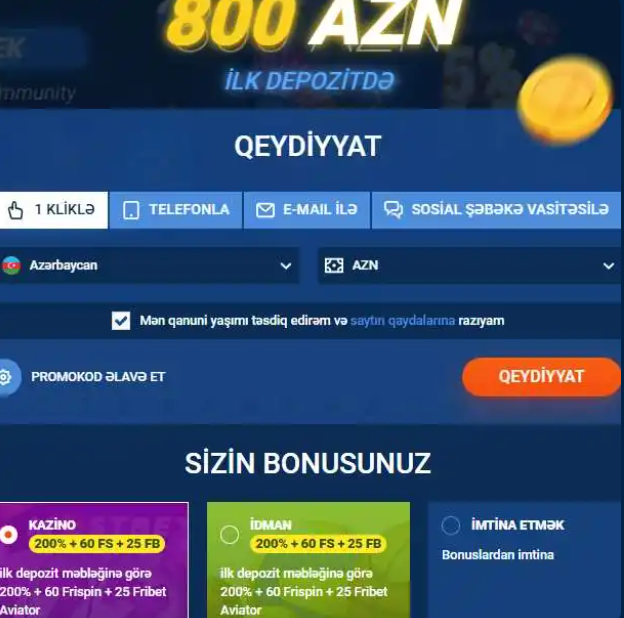
Ən tənbəl oyunçular üçün ən səbirsiz üsul. Sürətli qeydiyyatdan düyməsini basdınız, login və parol aldınız, dərhal hesab daxil oldunuz. Mostbet qeydiyyat sizin yerinizdə və valyutanızı avtomatik müəyyən edir, əsas parametrlərlə müvəqqəti hesab yaradır. Dərhal göstərilməli olan yeganə şey — qarşılama bonusu növüdür, lakin burada da cəmi iki variant var: idman və ya kazino. Sistem login və parolu açılan pəncərədə göndərəcək — mütləq saxlayın, əks halda girişi bərpa etmək məcburiyyətində qalacaqsınız.
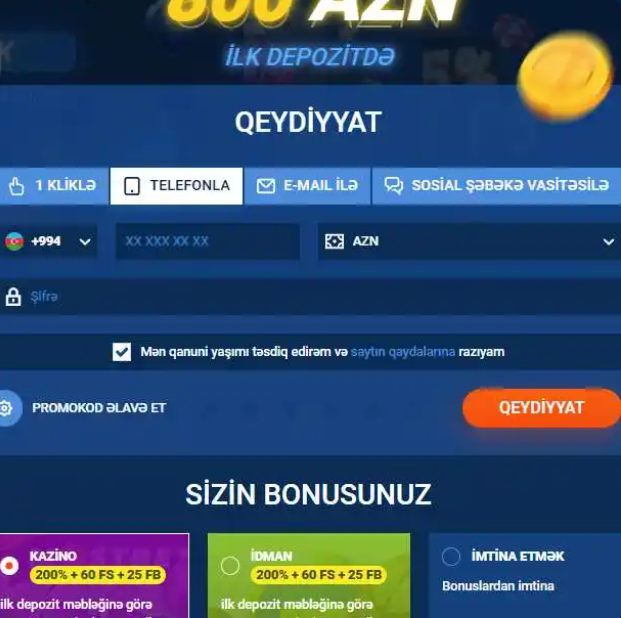
Telefon nömrəsi ilə qeydiyyat prosesi
Telefon həmişə əlinizdədir, ona görə də bu üsulu çox vaxt seçirlər, apple və ya digər modellərə aid tətbiq kimi. Qeydiyyatın tamamlanması haqqında kodla SMS ani gəlir, hətta şəbəkə siqnalınız zəif olsa belə:
- Nömrəni istənilən formatda daxil edin — sistem özü düzəldəcək
- Parolu sadə edə bilərsiniz — həmişə SMS kodu ilə girmək olar
- Nömrə avtomatik giriş üçün login olur
- Mostbet bonus ilk depozitdən dərhal sonra aktivləşir
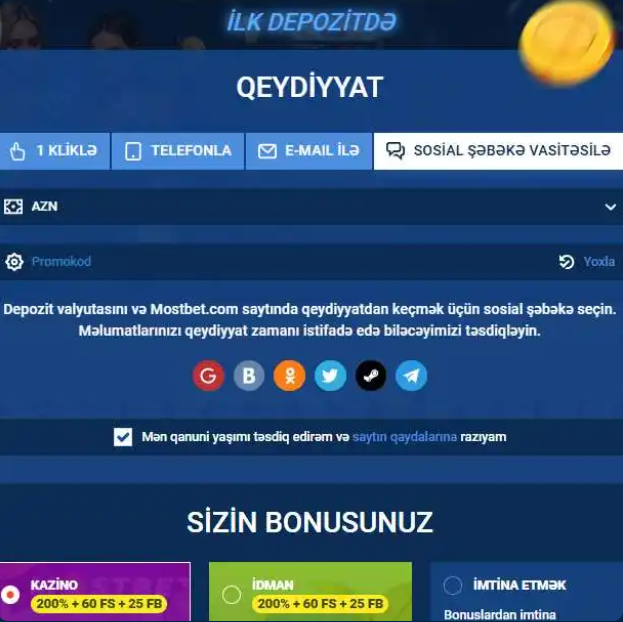
Sosial şəbəkələr vasitəsilə hesab açmaq
Çox sayda şəxsi məlumatla yeni profil yaratmağa nə ehtiyac var ki, mövcud sosial şəbəkələrdən hesabları istifadə edib saniyədə qeydiyyatdan keçmək mümkündür? Mostbet qeydiyyat bütün məşhur platforma dəstəkləyir:
- Google və Facebook — ən sürətli variantlar
- Telegram — daimi messenjerda olanlar üçün əlverişli
- VKontakte və Odnoklassniki — rus dilli sosial şəbəkə həvəskarları üçün
- Steam — təkcə mərcdə deyil, oyunda da oynayan geymerlər üçün
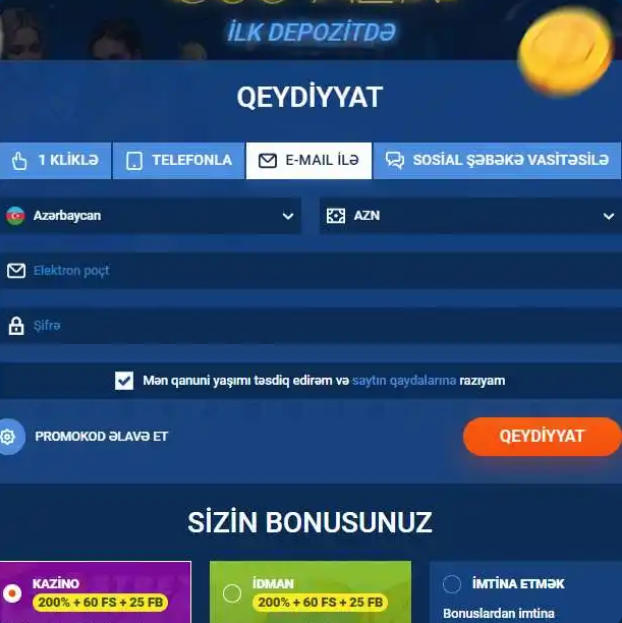
Mostbet E-poçtla qeydiyyat və təsdiqləmə
Hər şeyi özü nəzarət etməyi sevənlər üçün mostbet casino klassik qeydiyyat üsulu. Unikal login və mürəkkəb parol düşünə bilərsiniz:
- Email parolun bərpası və vacib bildirişlər üçün istifadə olunur
- Qeydiyyatdan təsdiqləməsi ani gəlir
- Əlavə təhlükəsizlik üçün ehtiyat email göstərmək olar
- Sistem spam göndərmir — yalnız bonusu və ödənişlər haqqında vacib mesajlar
Mostbet-də təqdim olunan mərc növləri
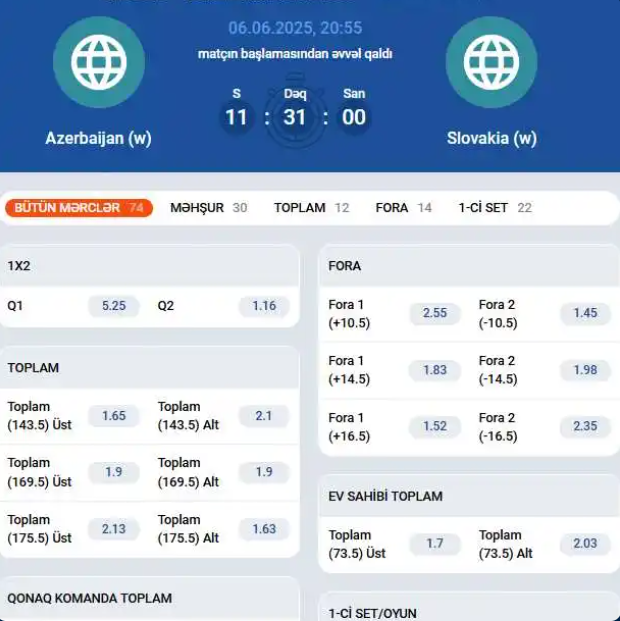
Həvəskarlar sevimli komandanın qələbəsinə mərc edirlər, peşəkarlar yağışlı havada künc statistikasını öyrənirlər. Azərbaycan hər iki kateqoriya oyunçu üçün yaradılıb: burada yeni başlayanlar üçün sadə «1X2» mərcindən tutmuş, təcrübəli fanatlar üçün «ilk 15 dəqiqədə faul sayı» kimi ekzotik bazarlara qədər hər şey tapılır. platforma əsas mərc növləri:
- Tək mərclər — yeni başlayanlar üçün klassika, bir nəticəyə mərc
- Ekspress — əmsalların vurulması ilə bir neçə hadisə birləşməsi
- Sistem — qismən uğur halında belə qazanmağa imkan verən qabaqcıl format
- Zəncir — qazancın növbəti hadisəyə avtomatik yenidən mərc edilməsi
- Lucky — bir kuponda tək mərclər və ekspreslərin birləşməsi
- Anti-ekspress — ən azı bir səhv nəticəni tapmaq lazımdır
Peşəkar betterlər xüsusilə risk idarəetmə imkanlarına görə sistem və zəncirləri qiymətləndirir, yeni başlayanlar daha çox tək mərc və sadə ekspress seçirlər. Mostbet az istənilən mərc növü üçün potensial qazancı avtomatik hesablayır və uğur ehtimalını göstərir.
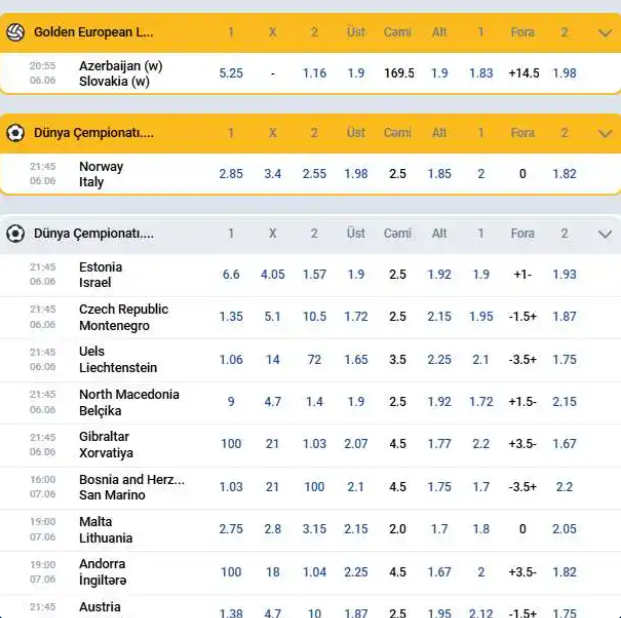
Idman mərcləri və turnirlər
Yeni başlayanlar adətən eyni səhvləri edirlər: yalnız böyük liqalara mərc edirlər, Asiya totallarını nəzərə almırlar, sevimli komandaya qarşı mərc etməkdən qorxurlar. Mostbet idman bu tələlərdən qaçmağa kömək edir, ikinci dərəcəli turnirlər üçün belə ətraflı analitika təklif edir və hər əmsalın məntiqini izah edir:
- Futbol — Azərbaycan Premyer Liqasından Çempiolar Liqasına qədər yerli komandalara diqqət yetirilir
- Tennis — Azərbaycan üçün əlverişli vaxtda oynanan turnirlərə xüsusi diqqət
- Basketbol — NBA, Avroliqa üstəgəl cavanlar turnirlərinə mərclər
Mostbet Canlı mərc funksiyası və üstünlükləri
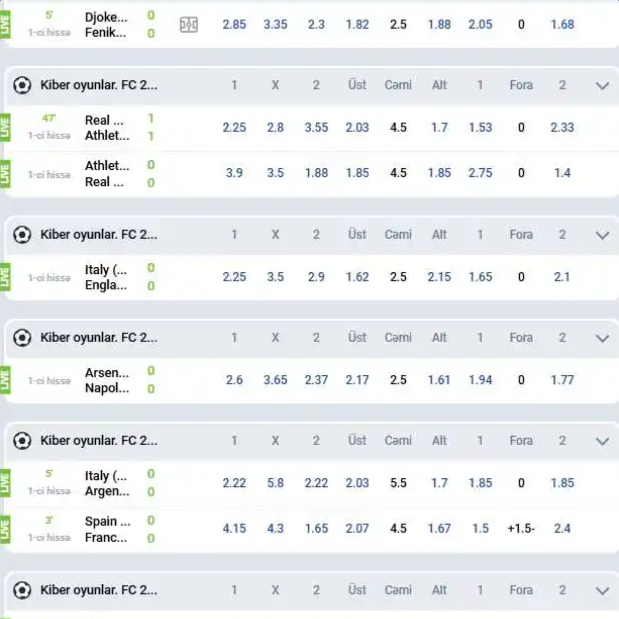
Live mərclər adi matç seyrini inanılmaz şou çevirir. Əmsallar hər bir neçə saniyədə dəyişir, meydanda baş verənləri real vaxtda əks etdirir:
- Dinamik əmsallar — oyunlar vəziyyətindən asılı olaraq kotirovkalar yenilənir
- Genişləndirilmiş bazarlar — live-da matçdan əvvəl olduğundan daha çox mərc variantı mövcuddur
- Video yayımlar — canlı efir əsaslandırılmış qərarlar qəbul etməyə kömək edir
- Cash Out — mərci vaxtından əvvəl bağlamaq, qazancı təsbitləmək və ya itkiləri minimuma endirmək imkanı
- Real vaxtda statistika — top sahibliyi, zərbələr, faullar hər dəqiqə yenilənir
Turnirlər və iştirak qaydaları
Böyük turnirlər xətt və əmsallara xüsusi yanaşma tələb edir. Mostbet idman ilin əsas idman hadisələri üçün genişləndirilmiş boyama təklif edir:
| Turnir | Bazarlar | Limit (AZN) | Xüsusi mərclər | Live-yayımlar |
|---|---|---|---|---|
| FIFA Dünya Çempionatı | 500+ | 50,000 | Ən yaxşı bombardir, VAR qərarları | Bəli |
| Çempiolar Liqası | 300+ | 30,000 | Komandaların keçidi, qol vaxtları | Bəli |
| Olimpiada | 200+ | 20,000 | Ölkələr üzrə medal hesabı | Qismən |
| Avropa-2024 | 400+ | 40,000 | Gənc oyunçu, penalti | Bəli |
| ATP Finals | 150+ | 15,000 | Eyslər, ikili səhvlər | Bəli |
| NBA Playoffs | 250+ | 25,000 | Üçlü-ikili, danklar | Qismən |
Ən yaxşı mərc xətləri və əmsallar
Bukmeker xəttinin keyfiyyəti hadisələrin sayı ilə deyil, top matçlarda boyamanın dərinliyi və marjın səviyyəsi ilə müəyyən edilir. Mostbet az bazarda ən yaxşı şərtlərdən birini təklif edir:
| İdman növü | Hadisə/gün | Marj | Boyama dərinliyi | Maksimum limit | Cashout |
|---|---|---|---|---|---|
| Futbol | 200-300 | 4-6% | 500 bazara qədər | 100,000 AZN | Bəli |
| Tennis | 150-200 | 5-7% | 200 bazara qədər | 50,000 AZN | Bəli |
| Basketbol | 80-120 | 5-8% | 300 bazara qədər | 75,000 AZN | Qismən |
| Xokkey | 50-80 | 6-9% | 250 bazara qədər | 60,000 AZN | Bəli |
| Kibersport | 100-150 | 7-10% | 150 bazara qədər | 40,000 AZN | Xeyr |
| Voleybol | 30-50 | 8-12% | 100 bazara qədər | 30,000 AZN | Qismən |
| Handbol | 20-40 | 9-13% | 80 bazara qədər | 25,000 AZN | Xeyr |
Yeni istifadəçilər üçün xoş gəldin bonusu
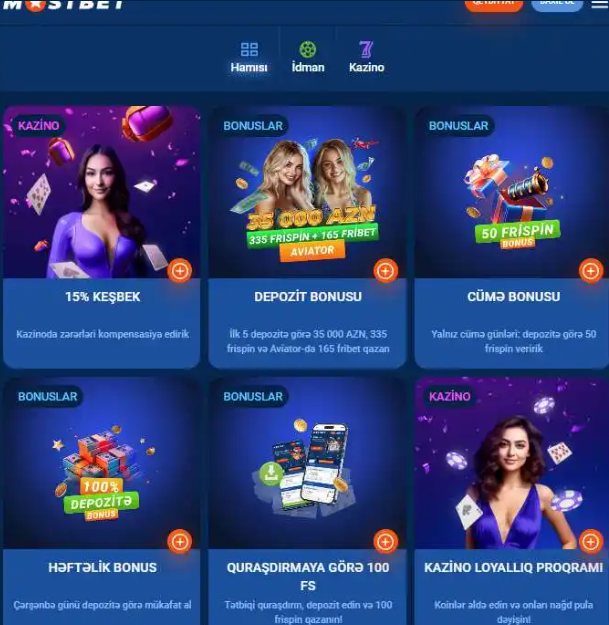
640 manata depozitdə 800 manata bonusu. Cəmi 30 manata depozitdə 250 freespin. Mostbet bonus öz təkliflərinin riyaziyyatını gizlətmir — bütün rəqəmlər şəffaf və əvvəlcədən hesablanır. Heç bir «1000%-ə qədər» astronomik tələblərlə. Sadəcə qeydiyyatdan sonra 30 dəqiqə ərzində 640 AZN yatırın və 800 AZN bonusu alın (125%). Cəmi hesabda: 1440 AZN. İdman bonusunu oynamaq üçün ekspreslərlə 4000 AZN mərc etmək lazımdır (800 x 5), bu da orta hesabla 200 AZN mərc ilə təxminən 3-4 həftə aktiv oyunlar təşkil edir.
30 AZN depozit = “3 Coins: Egypt“ oyunlar 250 freespin. Freespindən orta 0.8 AZN qazanc ilə təxminən 200 AZN əlavə bonusu alınır. x60 oynamaq lazımdır, yəni 72 saat ərzində kazinode 12,000 AZN mərc etmək. Seçim düsturu:
- Idman bonus: aşağı veycer (x5), lakin riskli ekspress
- Kazino bonus: yüksək veycer (x60), lakin slotlarda proqnozlaşdırılan nəticə
- Oynama müddəti: 30 gün 72 saata qarşı
Bonus növünün seçimi yalnız qeydiyyat zamanı mümkündür, sonra qərarı dəyişmək riyazi cəhətdən mümkün deyil — sistem belə funksiya nəzərə almır.
Mostbet-də pul yatırma və çıxarma metodları
AccessBank kartı işləmir, Kapital Bank komissiya alır, beynəlxalq kartlardan pul həftə gedir — tanış problemlər? Mostbet az Azərbaycanda məşhur bütün ödəniş üsullarını sınaqdan keçirdi və yalnız işləyənləri saxladı. Nəticə: doldurma ani keçir, azərbaycan kartlarına çıxarma maksimum bir saat çəkir, komissiyaları isə platforma öz üzərinə götürür.
| Metod | Minimum doldurma | Maksimum çıxarma | İşlənmə vaxtı | Komissiya |
|---|---|---|---|---|
| Kapital Bank | 5 AZN | 6,000 AZN | 15 dəqiqə | 0% |
| AccessBank | 5 AZN | 6,000 AZN | 30 dəqiqə | 0% |
| Bank of Baku | 5 AZN | 3,000 AZN | 1 saat | 0% |
| m10 | 5 AZN | 3,000 AZN | 15 dəqiqə | 0% |
| eManat | 3 AZN | 3,000 AZN | 30 dəqiqə | 0% |
| Bitcoin | 80 AZN | Limitsiz | 1 saat | Şəbəkə |
| USDT | 15 AZN | Limitsiz | 30 dəqiqə | Şəbəkə |
Statistika və matç analizi bölməsi
Oyunçuların çoxu səmimiyyətlə etiraf edir: komandalar haqqında statistika axtarmaq, formanı öyrənmək, tərkibləri müqayisə etmək tənbəllik edir. Mostbet-az90 bu problemi radikal həll edir — bütün lazım olan analitika bir yerdə toplanıb və əlverişli şəkildə təqdim olunur. Növbəti qola mərc etməyə dəyər-dəyməzdiyini anlamaq üçün on vərəq açmaq lazım deyil.
| Statistika bölməsi | Məlumat dərinliyi | Yeniləmə | Vizuallaşdırma |
|---|---|---|---|
| Komanda tərkibləri | 3 mövsüm | Real vaxtda | Düzülüş sxemləri |
| Şəxsi görüşlər | 10 matç | Hər oyunlar sonra | Nəticə qrafiklər |
| Oyunçu forması | 15 matç | Günlük | Reytinq və trendlər |
| Ev statistikası | Bütün mövsüm | Turdan sonra | Cədvəl və diaqramlar |
| Zədələr və diskvalifikasiyalar | Aktual | Saatlıq | Tarixlər ilə siyahılar |
| Komanda motivasiyası | Turnir mövqeyi | Hər matçdan sonra | Vaciblik indeksləri |
İstifadəçilərin barədə rəyləri
Bukmekerlar haqqında rəyləri oxumaq da bir həzz. Yarısı sifarişli, yarısı pul itirmiş oyunçulardan. Lakin həqiqi rəylərin əlamətləri var: konkret məbləğlər, əməliyyat tarixləri, dəstək ilə yazışma skrinşotları. Azərbaycan oyunçularından giris haqqında həqiqi rəyləri topladıq:
Müsbət:
- «850 manata Kapital Bank çıxardım, 20 dəqiqəyə gəldi. Tarix 15.11.2024» — Elşan, Bakı
- «Dəstək azərbaycan dilində cavab verdi, verifikasiya anlayışına kömək etdi» — Leyla, Gəncə
- «Qarabağa əmsallar həqiqətən rəqiblərdən yüksəkdir» — Rəşad, Sumqayıt
Tənqidi:
- «Sayt bəzən pik saatlarda ləngiyir, yeniləmək lazım gəlir» — Nicat, Bakı
- «Azərbaycan matçlarının daha çox yayımını istərdim» — Farid, Lənkəran
- «iPhone-da ios Mostbet yukle əldə etmək olmur… Android-ə keçmək istəmirəm, mobil versiya da o qədər xoş gəlmir, bəzi cihazlar pis işləyir, ona görə də yüksək qiymət verə bilmirlər» — Emil, Bakı
- «verifikasiya 3 gün çəkdi, halbuki bir gün vəd etmişdilər» — Kamil, Şəki
Məsuliyyətli oyun siyasəti
«Daha bir mərc edəcəm və artıq etməyəcəm» — artıq vəziyyətə nəzarəti itirmiş oyunçunun klassik cümləsi. Mostbet oyun azart oyunlar zərəri haqqında mühazirələr oxumur, situasiyanın məhdudlaşdırılması zəruriliyini anlayan adamlar üçün konkret alətlər təqdim edir. Ağıllı limitlər sistemi oyunçunun davranışını təhlil edir və problem kritik hal almazdan əvvəl təhlükəli nümunələr haqqında xəbərdarlıq edir.
| Nəzarət vasitəsi | Tənzimlənmə | İş prinsipi | Təsir müddəti |
|---|---|---|---|
| Depozit limiti | 50-5000 AZN/gün | Doldurmaların bloklanması | Ani |
| İtki limiti | 100-2000 AZN/həftə | Çatdıqda fasilə | 24 saat |
| Sessiya vaxtı | 1-8 saat | Məcburi çıxış | Növbəti günə qədər |
| Davranış analizi | Avtomatik | Risk xəbərdarlıqları | Daimi |
| Özünü kənarlaşdırma | 1 ay — 1 il | Tam blokada | Ərizə ilə |
| Reallıq yoxlaması | Hər 30-120 dəqiqə | Vaxt xatırladması | Tənzimlənir |
24/7 texniki dəstək və əlaqə kanalları
«Azərbaycan dilində danışa bilərsinizmi?» — yerli oyunçuların bukmeker çatlarında verdikləri ilk sual. Çünki pul çıxarma problemi haqqında qırıq ingilis dilində və ya tərcüməçi vasitəsilə izah etmək şübhəli həzz. Azərbaycan dilinin yerli oyunlar sahəsi reallıqlarını və xüsusiyyətlərini anlayan ana dil daşıyıcılarını işə götürdü. Əlaqə kanalları və dil dəstəyi:
- Onlayn çat: azərbaycan, rus, ingilis (24/7)
- Email support@mostbet.com: azərbaycan dilində 2 saat ərzində cavab
- Telegram: sürətli cavablar üçün qeyri-rəsmi kanal
- WhatsApp: skrinşot və sənəd göndərmək üçün
- Sosial şəbəkələr: azərbaycan dilində Facebook və Instagram
On beş il əvvəl heç kim Azərbaycanda yerli dəstəyi olan dünya səviyyəli bukmekerinin görünəcəyinə inanmırdı. Mostbet giriş əksini sübut etdi, hərtərəfli hər ödəniş, həll olunan hər problemlə səbirlə reputasiya qururdu. Bu gün platforma uzunmüddətli yanaşmanın meyvələrini dərmir — oyunçu etibarı istənilən reklamdan bahalıdır.
tez-tez verilən suallar
Mostbet az necə qeydiyyatdan keçmək olar?
Qeydiyyat bir neçə üsulla mümkündür: 1 kliklə, telefon nömrəsi, email və ya sosial şəbəkələr vasitəsilə. Əsas səhifədə əlverişli üsulu seçin və təlimatlara əməl edin.
Platformada minimum depozit neçədir?
Minimum depozit ödəniş üsullarının çoxu üçün 3 AZN təşkil edir. Bu kiçik məbləğlə oyuna başlamağa imkan verir.
Vəsait çıxarma nə qədər işlənir?
İşlənmə vaxtı seçilmiş metoddan asılıdır: elektron pul kisələri — 24 saata qədər, bank kartları — 1-24 saat, bank köçürmələri — 1-3 iş günü.
Hesab verifikasiya lazımdır?
100 AZN-dən yuxarı vəsait çıxarmaq üçün verifikasiya məcburidir. Şəxsiyyəti təsdiq edən sənədləri yükləmək tələb olunur.
Mobil cihazlar ilə oynamaq olarmı?
Bəli, saytın mobil versiyası mövcuddur və Android və apple ios smartfonuna tam funksionallıqla yukle pulsuz mümkündür.